
TL;DR: Key takeaways
- Hospital-acquired infections (HAIs) remain a major challenge for Indian healthcare.
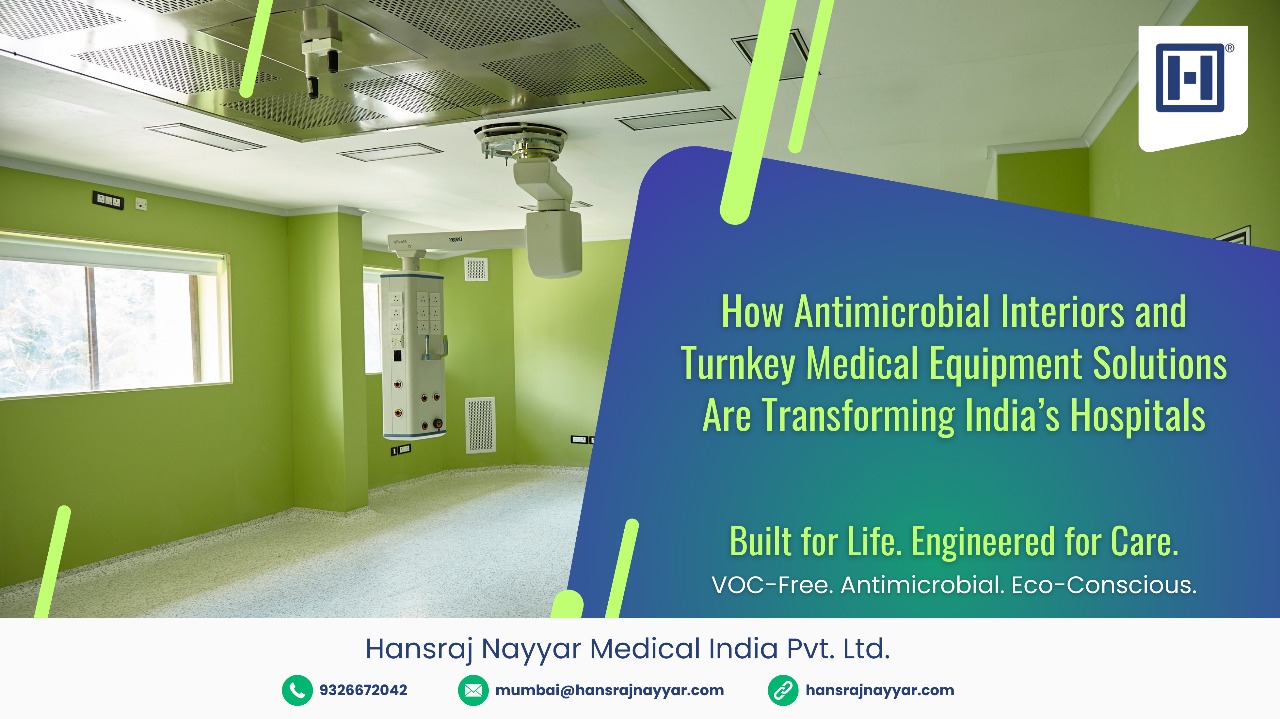
- Antimicrobial wall cladding, VOC-free interiors, and modular OTs reduce infection risk.
- Architects and builders benefit from single-window turnkey solutions that save time, cost, and ensure compliance.
- ICU equipment and modular operation theatres supplied by Hansraj Nayyar meet global standards.
- Long-term ROI comes from reduced maintenance, faster approvals, and improved patient safety.
- Hansraj Nayyar brings 100+ years of expertise as India’s trusted medical equipment supplier and turnkey hospital infrastructure partner.
The Urgency of Safer Healthcare Spaces
Indian healthcare is growing rapidly, yet hospital-acquired infections (HAIs) remain a silent threat. According to the WHO, nearly 7–10% of hospitalized patients in developing countries acquire an infection during their stay. For hospitals, architects, and builders, this is not just a clinical challenge but also a compliance and trust issue.
Modern hospitals are now shifting from temporary cleaning practices to permanent antimicrobial infrastructure. This is where Hansraj Nayyar Medical India Pvt. Ltd. plays a transformative role — offering VOC-free antimicrobial interiors, modular operation theatres, ICU equipment, and complete turnkey healthcare projects that meet global safety standards.
The Role of Antimicrobial Interiors in Infection-Free Hospitals
The first line of defense against HAIs is the physical infrastructure of hospitals.
Why Antimicrobial Wall Cladding is Essential
Unlike standard walls, antimicrobial PVC wall cladding offers:
- Continuous 24×7 resistance against bacterial growth.
- VOC-free surfaces that improve indoor air quality.
- Fire-rated and impact-resistant panels for durability.
Hospitals that adopt hygienic wall cladding and antibacterial wall cladding have reported significant reductions in contamination hotspots in OTs, ICUs, IVF labs, and neonatal wards.
For architects and builders, this ensures compliance with NABH and JCI standards, while giving hospitals a competitive edge in patient trust.
Why Architects and Builders Prefer Turnkey Execution
Traditional hospital projects rely on multiple vendors — civil contractors, HVAC specialists, equipment suppliers. This creates gaps in accountability and delays.
Hansraj Nayyar offers a single-window turnkey solution covering:
- Civil & electrical works
- HVAC and MGPS systems
- Antimicrobial interiors
- Operation theatre equipment
- ICU equipment
This one-point accountability model ensures:
- Faster completion timelines
- Seamless integration of infrastructure and medical equipment
- Cost efficiency with no hidden overruns
- Long-term service and support
For hospital administrators, this means lower lifecycle costs and higher patient safety outcomes.
Operation Theatre and ICU Equipment That Define Safety
Beyond infrastructure, the equipment inside OTs and ICUs plays a direct role in patient outcomes.
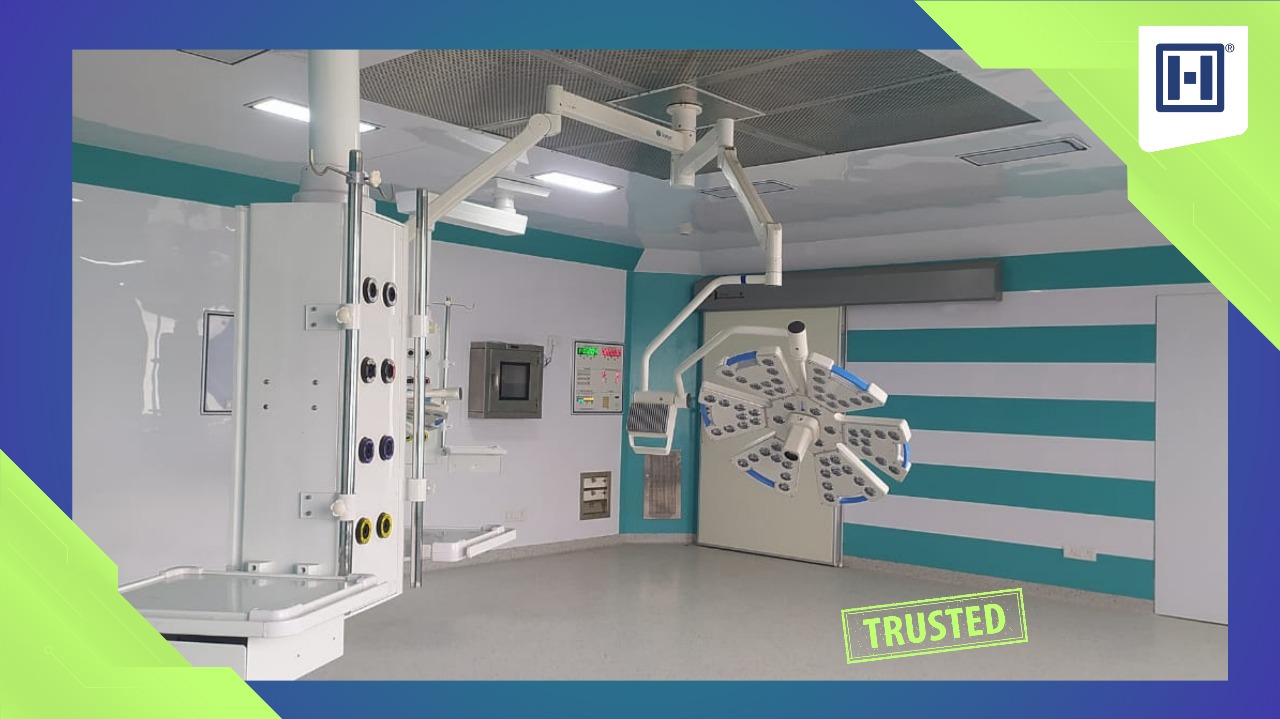
Modular Operation Theatre
- Pre-fabricated, contamination-free environments.
- Laminar airflow systems for sterile zones.
- Flexible layouts that adapt to multi-specialty hospitals.
ICU Equipment
- Bedside monitors, ventilators, and life-support systems.
- Designed to ensure continuity of care with minimal infection risk.
Anaconda Inhalation Sedation System
- Safe, efficient, and widely used across Europe and India.
- Reduces reliance on IV sedatives.
- Cost-effective for long-term ICU sedation management.
By integrating internationally certified OT and ICU equipment, Hansraj Nayyar helps Indian hospitals match global care standards.
Long-Term ROI for Hospitals
Hospital projects are not just about construction cost — they are about sustainability, compliance, and trust.
Hansraj’s turnkey model offers:
- Faster NABH/JCI accreditation approvals
- Lower infection-related litigation costs
- Reduced maintenance and energy efficiency with VOC-free interiors
- Improved patient satisfaction and higher trust ratings
This creates measurable ROI for hospitals, making infrastructure an investment, not an expense.
The Hansraj Nayyar Advantage
What makes Hansraj Nayyar the trusted partner for India’s leading hospitals?
- 100+ years legacy in medical equipment and infrastructure.
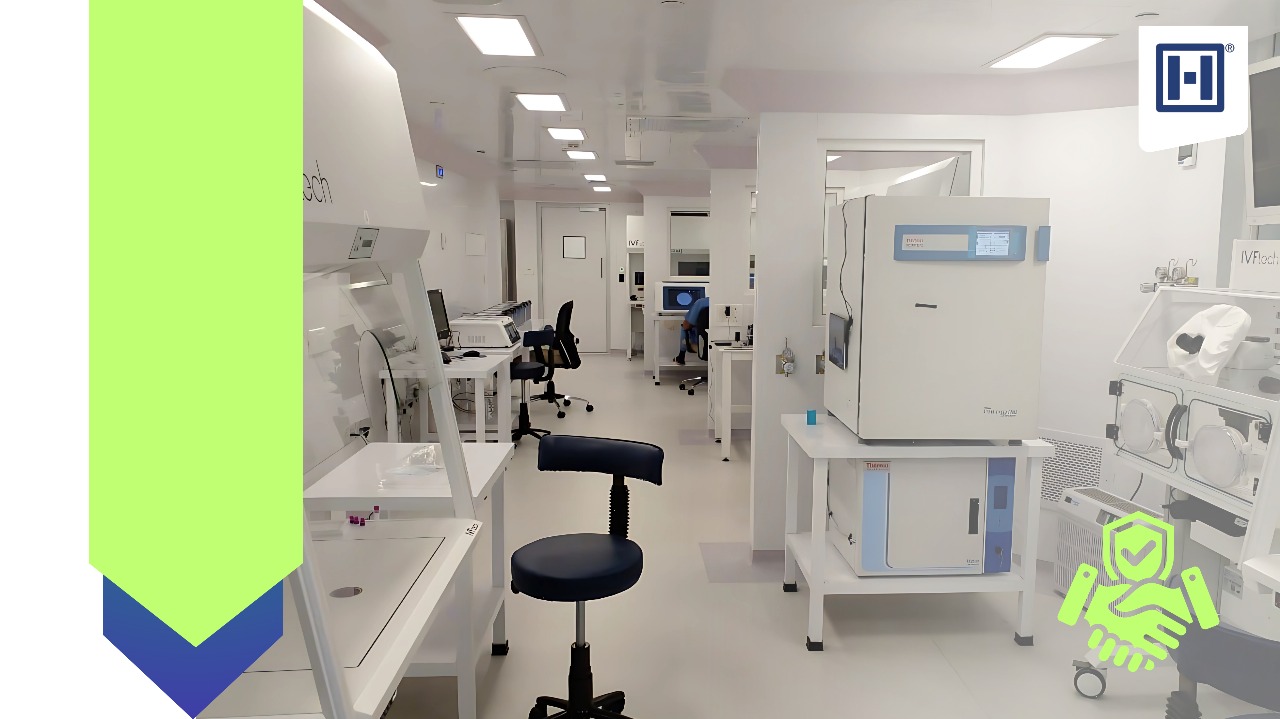
- Proven track record across ICUs, modular OTs, trauma centers, IVF labs, and neonatal wards.
- Certified solutions like antimicrobial wall cladding that meet international safety benchmarks.
- A reputation as India’s most reliable medical equipment supplier and turnkey healthcare integrator.
For architects, builders, and hospital owners, working with Hansraj Nayyar ensures zero compromises on patient safety.
FAQs
- What is antimicrobial wall cladding and why is it essential in hospitals?
Antimicrobial wall cladding is a specialized surface that prevents bacterial growth, ensuring infection-free walls in OTs, ICUs, and labs. Unlike paint or tiles, it offers continuous 24/7 protection and complies with NABH standards. Learn more here. - How do modular operation theatres improve infection control compared to traditional OTs?
Modular OTs use pre-engineered panels, laminar airflow, and seamless finishes that minimize contamination. They are easier to maintain, upgrade, and sterilize compared to conventional OTs. - Why should hospitals choose turnkey solutions instead of multiple contractors?
Turnkey execution ensures faster delivery, single accountability, cost control, and compliance readiness. Multiple vendors often lead to gaps, delays, and cost escalations. - What types of ICU equipment are critical for modern hospitals in India?
Key ICU equipment includes ventilators, monitors, beds, infusion pumps, and safe sedation systems like Anaconda. - How does Hansraj Nayyar ensure compliance with NABH/JCI standards in hospital infrastructure?
Every turnkey project follows NABH guidelines, VOC-free interiors, antimicrobial cladding, and international certification standards for OTs and ICUs. - What is the cost advantage of VOC-free and antibacterial interiors for hospitals?
VOC-free interiors reduce maintenance, improve indoor air quality, and lower infection risks, leading to long-term savings and higher patient trust.